Quail Egg Incubator – A Quick Jumpstart Understanding
For quail lovers, it is indeed very exciting to have a perfect successful hatch rate of 100%. Achieving a high hatch rate relies heavily on creating a perfectly stable environment, and the choice of incubator will determine the type of management, attention and skill you'll need for a high to 100% successful hatch.
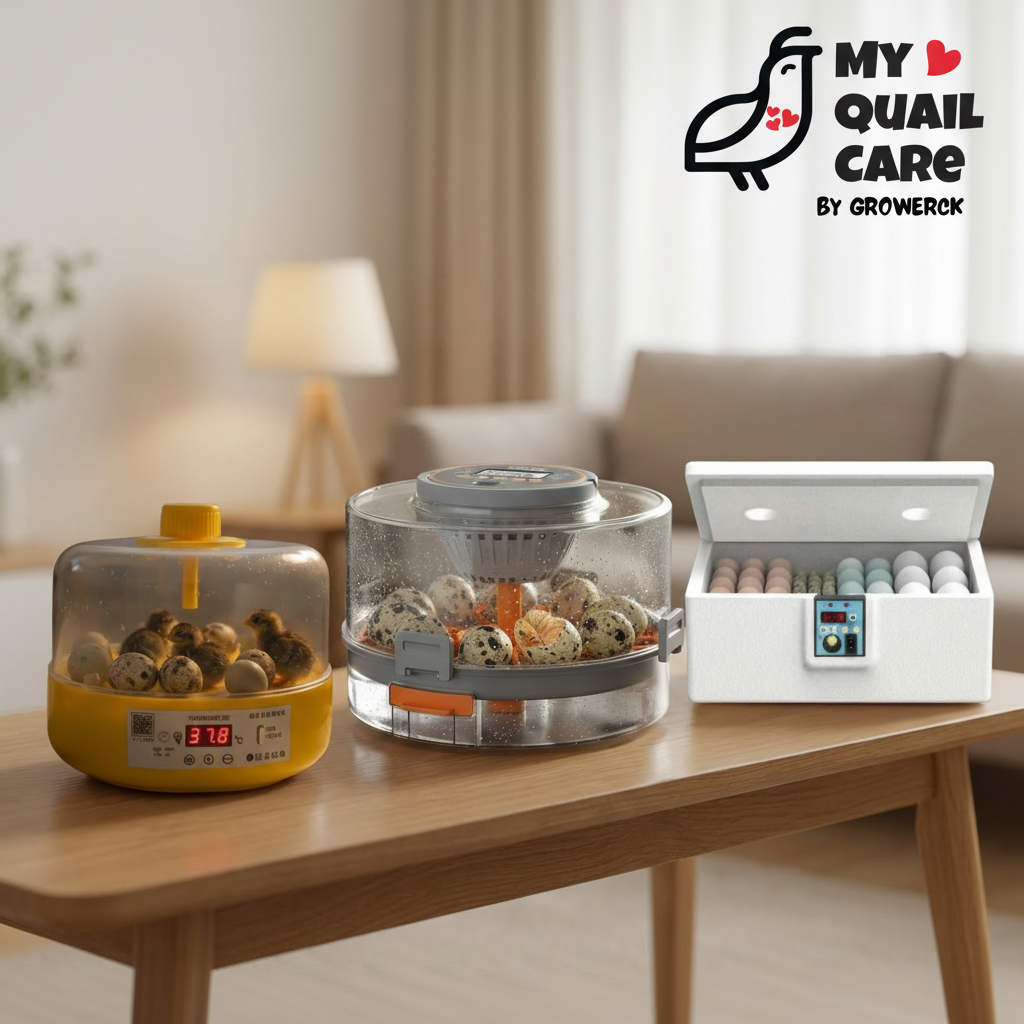
While a 100% hatch is rare, selecting the right equipment is the single best way to stack the odds in your favor and enjoy a thriving brood of quail chicks. Here’s a factual look at how different incubators can meet your needs.
Quail's Diet Vary Across Gender, Age and Quail Type
Quails have different nutritional needs at different stages of life , gender and type. Their diet must be tailored to three key factors: Age, Purpose, and Gender.
At MyQuailCare.com the purpose is to have our quails live a long and fulfilling life and feeds are provided for that purpose.
The Three Must-have for Every Quail Incubation
Quail eggs, particularly those of Coturnix quail, require precise constant and stable conditions to develop properly.
Precise Consistent Temperature: The ideal temperature for forced-air incubators is 99.5°F (37.5°C). For still-air incubators, it is 101-102°F (38.3-38.9°C) measured at the top of the eggs. Consistency is vital; fluctuations of more than one degree can significantly lower hatch rates and cause deformities.
Humidity Levels: Proper humidity levels (simply maintain 65-75% all the way throughout incubation for hatching) are critical for healthy embryo development. Insufficient humidity causes excessive moisture loss, leading to an oversized air cell and embryos that are too weak or small to pip or resulting in embryo death. While these non-viable eggs won't explode, they will not hatch. Candling is the most reliable way to identify them and manage expectations at Day 14.
Days 1-14 (Setter Stage): Maintain 70-75% relative humidity consistently. This will work fine. Any lower amount of humidity, you'll realize that your quail egg will 'evaporate' and become lighter and embryo death can happen to not result in a hatch.
- Days 14: This is where you candle your eggs in an enclosed environment without wind and ensure you place enough bottle caps of water in the incubator so that you won't need to open the incubator to top up any moisture. Do note that after day 14, any fluctuation in temperature and humidity can result in a higher probability of quail chick deaths.
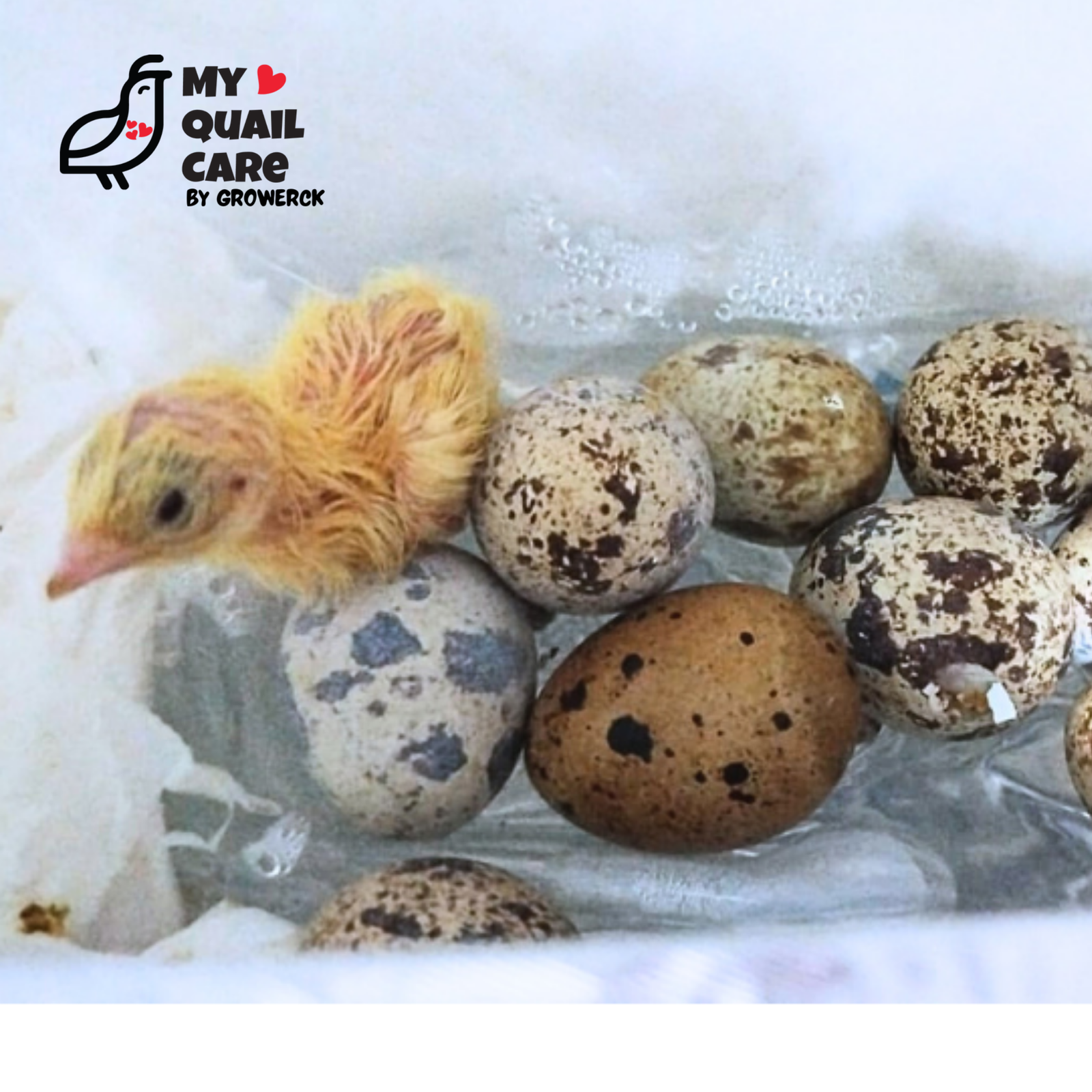
Days 15-18 (Hatch Stage): Here is where you do not open the incubator when you see or hear your first chirps. Do note that quail chicks need water more than food for up to 48 hours and by not opening the incubator to let the sudden gush of temperature difference and humidity loss, you get to allow the other eggs to hatch
- Turning of Eggs is not necessary to ensure a higher hatch rate
The Three Must-have for Every Quail Incubation
Quail eggs, particularly those of Coturnix quail, require precise constant and stable conditions to develop properly.
Precise Consistent Temperature: The ideal temperature for forced-air incubators is 99.5°F (37.5°C). For still-air incubators, it is 101-102°F (38.3-38.9°C) measured at the top of the eggs. Consistency is vital; fluctuations of more than one degree can significantly lower hatch rates and cause deformities.
Humidity Levels: Proper humidity levels (simply maintain 65-75% all the way throughout incubation for hatching) are critical for healthy embryo development. Insufficient humidity causes excessive moisture loss, leading to an oversized air cell and embryos that are too weak or small to pip or resulting in embryo death. While these non-viable eggs won't explode, they will not hatch. Candling is the most reliable way to identify them and manage expectations at Day 14.
Days 1-14 (Setter Stage): Maintain 70-75% relative humidity consistently. This will work fine. Any lower amount of humidity, you'll realize that your quail egg will 'evaporate' and become lighter and embryo death can happen to not result in a hatch.
- Days 14: This is where you candle your eggs in an enclosed environment without wind and ensure you place enough bottle caps of water in the incubator so that you won't need to open the incubator to top up any moisture. Do note that after day 14, any fluctuation in temperature and humidity can result in a higher probability of quail chick deaths.
Days 15-18 (Hatch Stage): Here is where you do not open the incubator when you see or hear your first chirps. Do note that quail chicks need water more than food for up to 48 hours and by not opening the incubator to let the sudden gush of temperature difference and humidity loss, you get to allow the other eggs to hatch
- Turning of Eggs is not necessary to ensure a higher hatch rate
Styrofoam Incubator - Is It For Me?
A styrofoam incubator uses a waterbed system and management of this system is more delicate to ensure healthy chicks and a high hatch rate.
Article Keyword Tags:
Quail Incubator, Quail Hatch, Quail Fertile Egg, Quail Egg Hatch, Baby Quails to Hatch from Egg